List of 12 Most Amazing Handicrafts of India:
- Pashmina Shawls
- Woodwork
- Pottery
- Leather
- Jute
- Shell
- Brass Handicrafts
- Bamboo Handicrafts
- Phulkaris
- Zardozi
- Saris and Silk
- Carpet Weaving
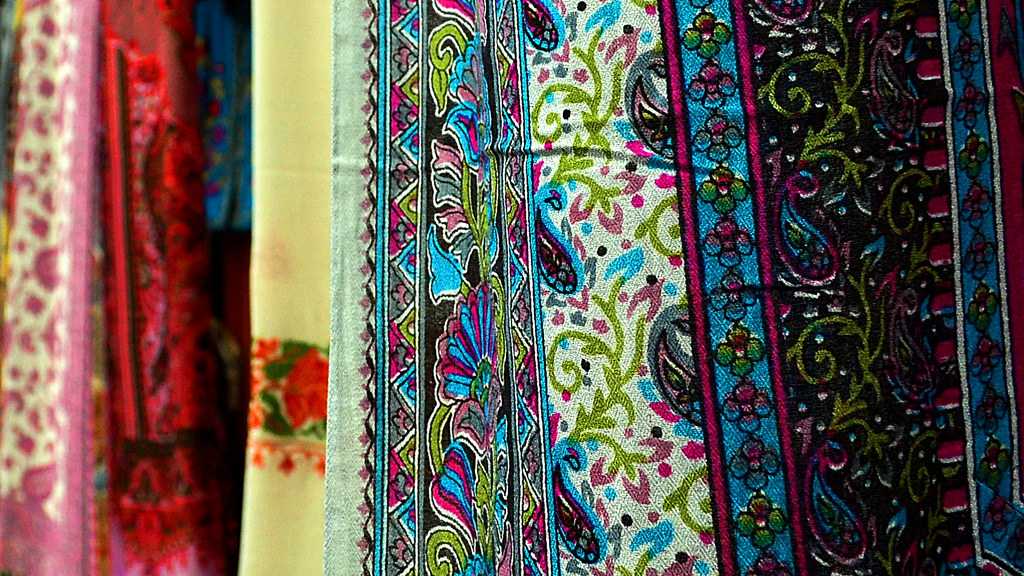
1. Pashmina Shawls
2. Woodwork
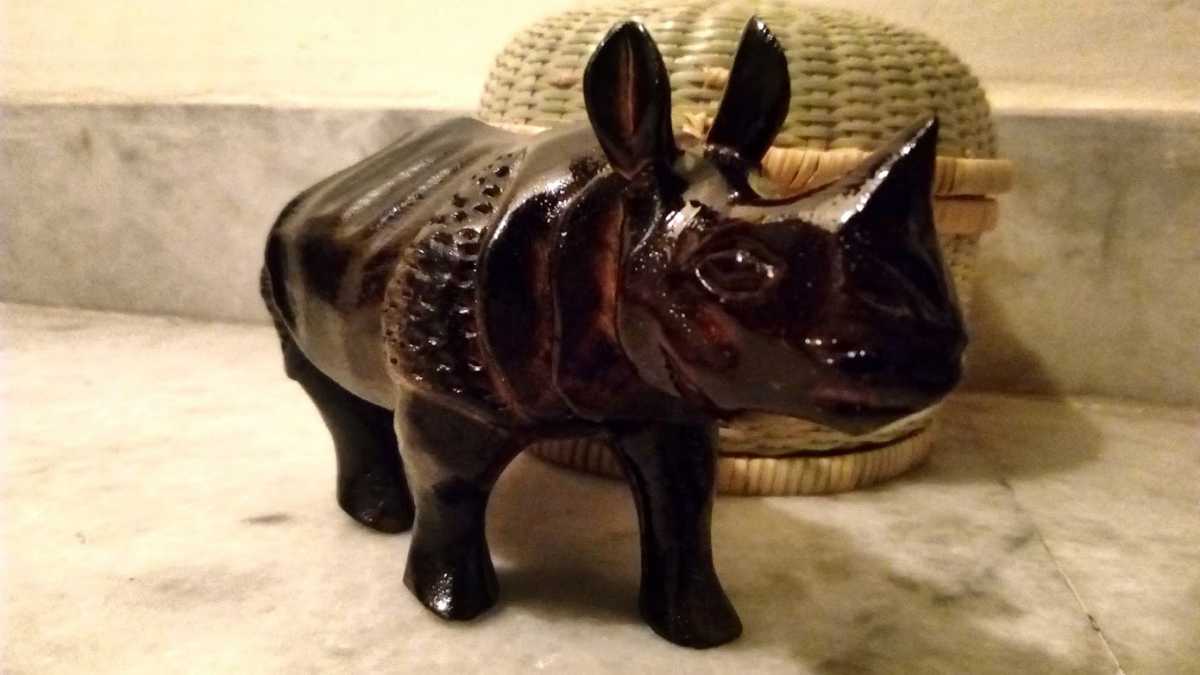 The northern states of India have a rich tradition of the woodwork. Regions in Punjab are famous for its exquisite wooden furniture. Kashmir is famous for its artefacts made from the walnut trees. The artisans of Chhattisgarh specialise in wooden crafts like masks, doors, window frames and sculptures. Jharkhand is famous for its wooden toys which are always in a pair. The woodcarvings of Goa are an aesthetic blend of Portuguese and Indian cultures, and the designs are primarily floral, animal and human figures. Endowed with abundant forests, woodwork is a popular craft in South India. It is mainly done on rosewood and sandalwood. Red sandalwood from Andhra Pradesh is used to make cutlery, dainty boxes and paper knives in various designs. Madurai (a city in Tamil Nadu), is popular for its rosewood carvings. Karnataka is famous for beautiful elephants, images and furniture made from rosewood. Sandalwood is also used to make utility and decorative items, which are etched with designs of flowers, creepers, birds and animals. Magnificent figurines of females are carved out of Kumbli wood in Kerala.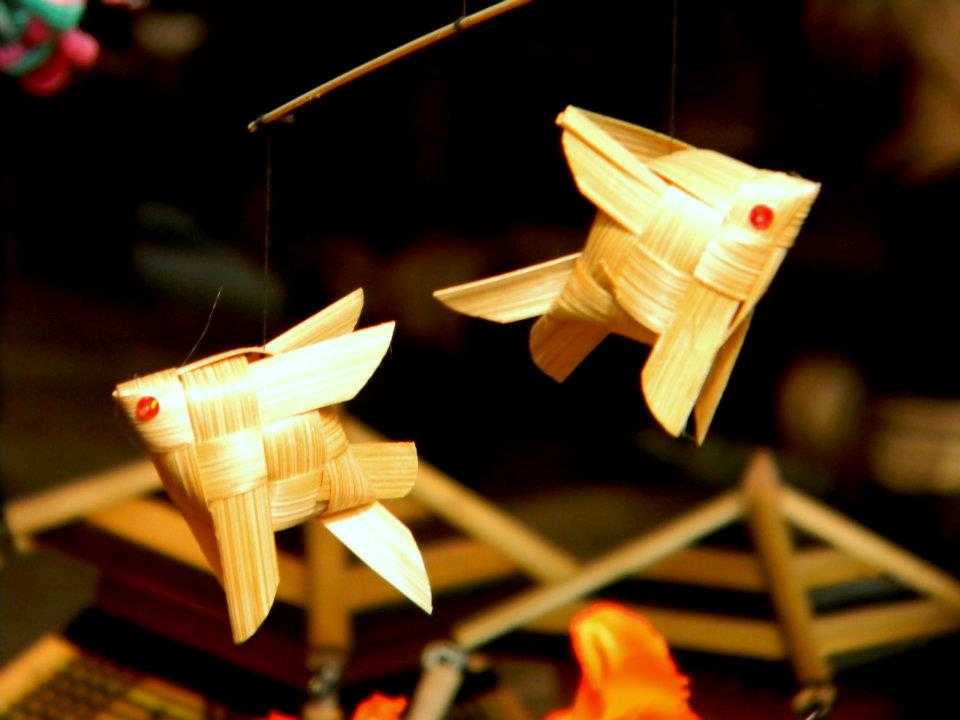
3. Pottery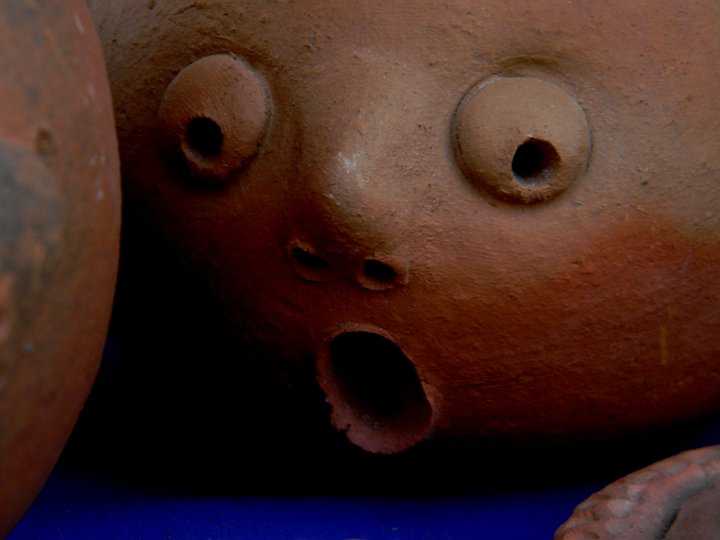
Pottery is considered to be the most sensual form of all arts. The tradition of handmade pottery is prevailing in India since the time of Harappan Civilisation. North India is also known for various kinds of pottery designs, ranging from colours like orange, brown and light red in Uttar Pradesh to black and dark red in Himachal Pradesh. In Rajasthan, Bikaner is famous for its painted pottery, Pokhran for its pottery with geometrical patterns and Alwar for its Kagzi pottery. The blue pottery of Jaipur is also very famous. The potter occupies a unique position in the craft traditions of India.
4. Leather
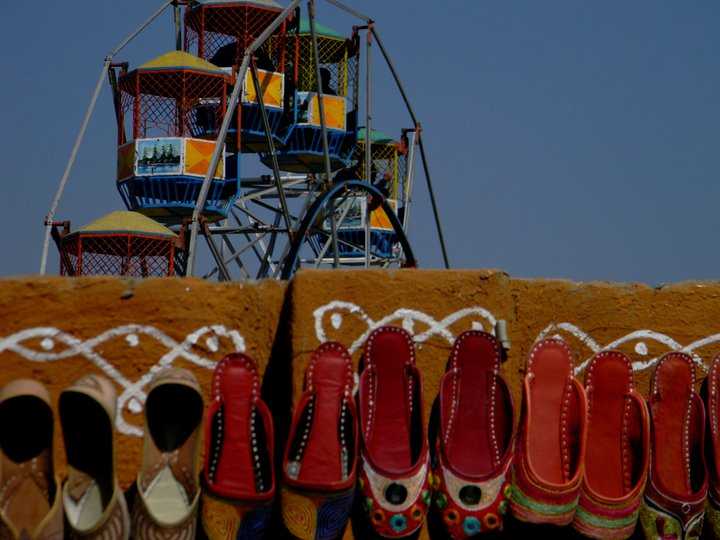
 The age-old convention of leather skill in India is proved by ancient sages and ascetics. In the past, leather was not only used in making clothes and footwear but also in making caps, bags, saddles, shield etc. India is famous worldwide for its leather products. Madhya Pradesh is also known for its leather craft. Various leather items are produced like shoes, bags and garments. Maharashtra is also famous for its leather shoes called Kolhapuri chappals.
5. Jute
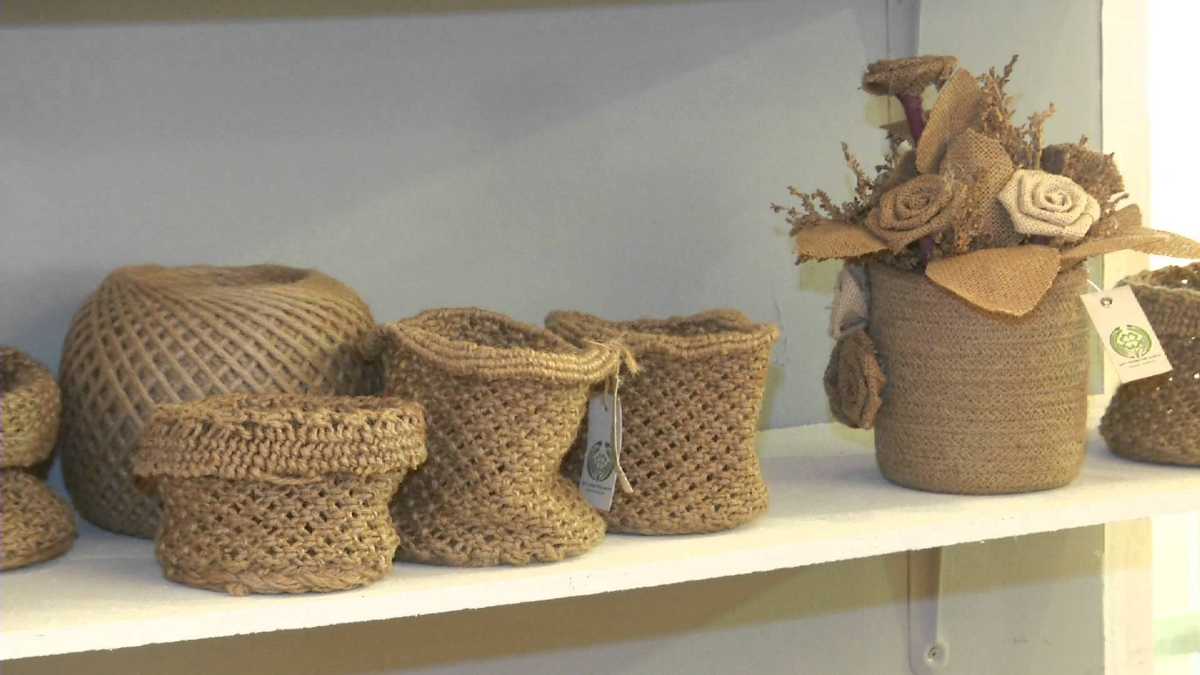
 Jute craftsmen have created a worldwide position in the field of jute handicrafts. The huge range of jute crafts includes bags, office stationeries, bangles and other jewellery, footwear, wall-hangings and many more. India is a centre for jute handicrafts and people all over from the globe visit the jute handicrafts fairs to buy these works of perfection. West Bengal, Assam and Bihar, being the leading jute producers, pilot the jute handicrafts market in India.
6. Shell
7. Brass Handicrafts
8. Bamboo Handicrafts
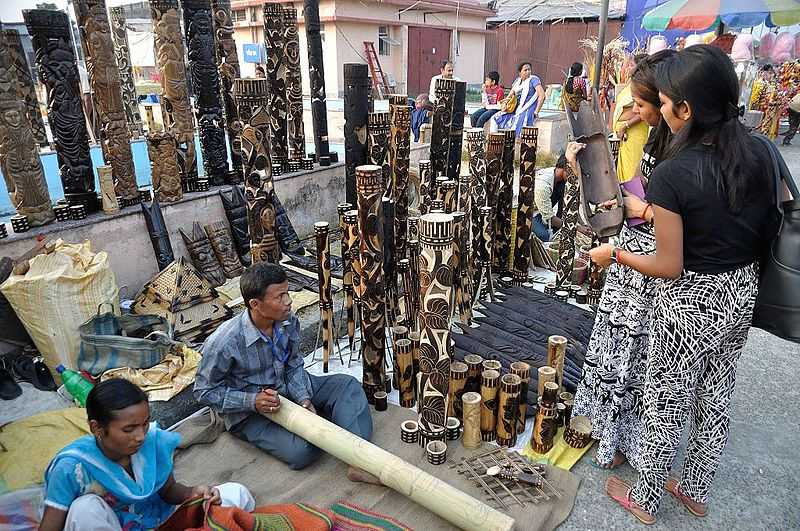
Handicrafts that are made by using bamboo are the most eco-friendly crafts made in India. The diverse items made from bamboo are baskets, dolls, toys, furniture, mats, wall-hangings, crossbows, jewellery boxes and many more. Bamboo handicrafts are predominantly prepared in West Bengal, Assam and Tripura.
On the whole; we can see that each region of India is endowed with unique handicraft that adds charm to the state and the country as a whole. The tradition of craft has evolved through generations, and there is a quest for innovation and invention that continues to give each craft a contemporary look but at the same time preserving the Indian heritage and culture.
On the whole; we can see that each region of India is endowed with unique handicraft that adds charm to the state and the country as a whole. The tradition of craft has evolved through generations, and there is a quest for innovation and invention that continues to give each craft a contemporary look but at the same time preserving the Indian heritage and culture.
9. Phulkaris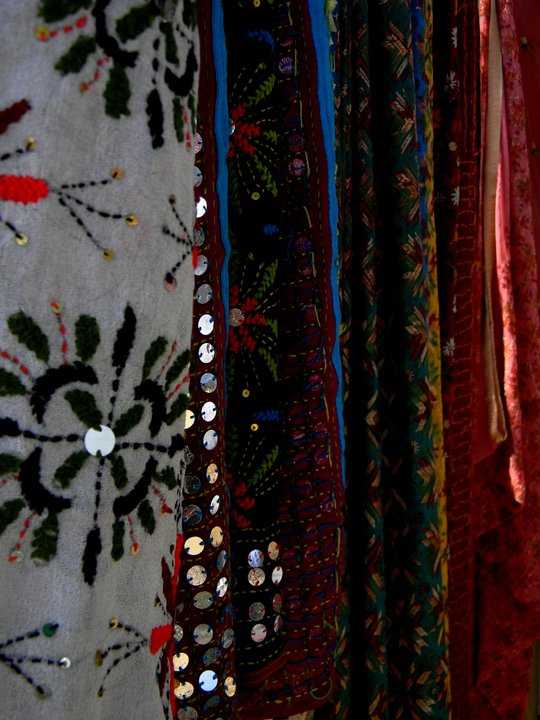
Phulkari embroidery technique from the Punjab region and Haryana literally means flower work, which was at one time used as the word for embroidery, but in time the word ?Phulkari? became restricted to embroidered shawls and head scarfs. It is a kind of embroidery that has complex designs made through vertical, horizontal and diagonal stitches, this whole work is done with white or yellow silk floss on cotton khaddarh and starts from the centre on the fabric called "chashm-e-bulbul" and spreads to the whole fabric. They are bright and colourful. Some modern fashion designers are incorporating this embroidery into their garments, and its use has spread to jackets, bags, cushion covers, table-mats, shoes, slipper, juttis, and kids? garments.
10. Zardozi
11. Saris and Silk
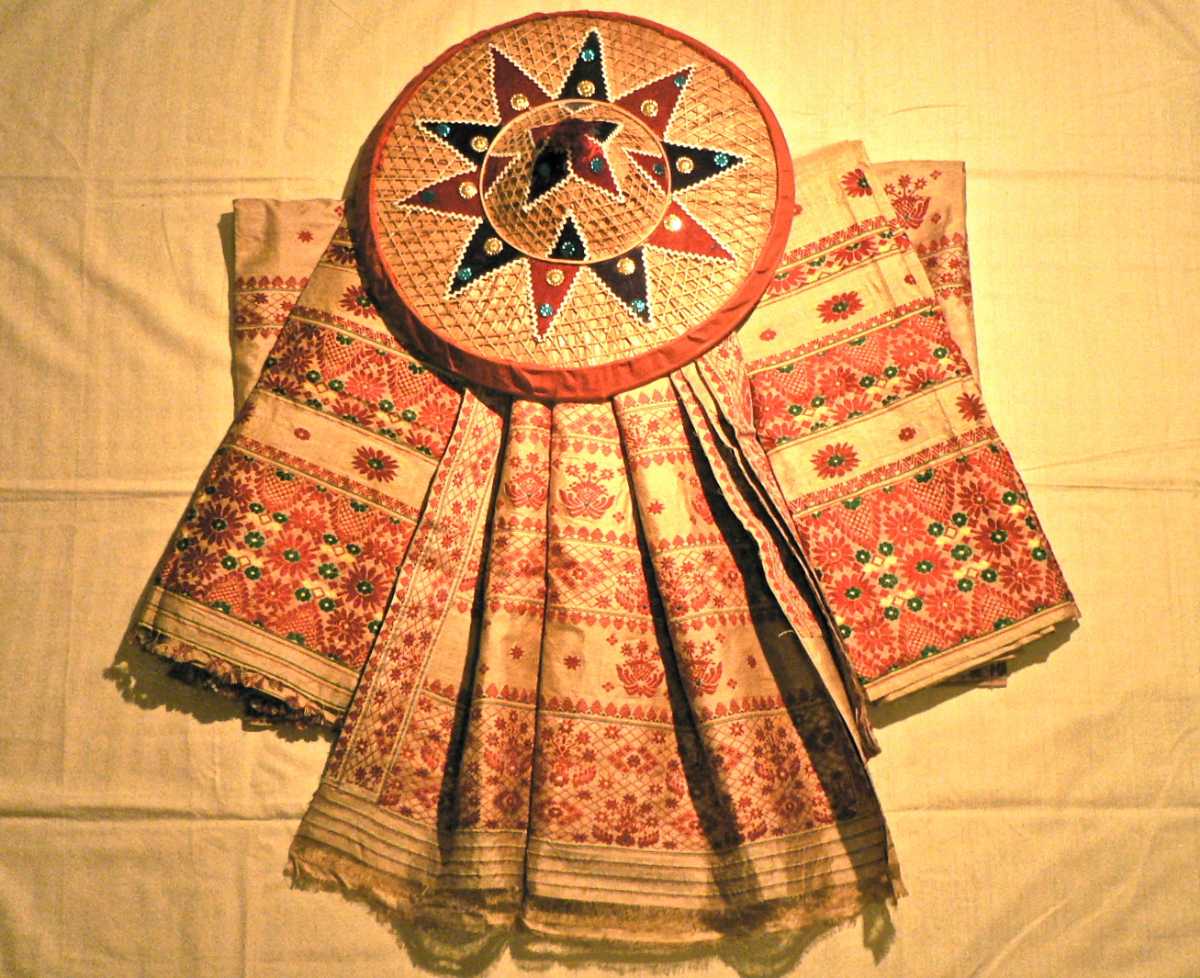
Saree or saris is a cloth of around 4.5 metres to 8 meters that women wrap around the waist and drape one end over the shoulder. The east of India is also famous for its silk saris, namely the Baluchari saris of West Bengal and Mooga and Assam silk of Assam. Their saris come in various colours and look very rich and magnificent. Banarasi sarees are among the finest sarees in India and are known for their gold and silver brocade or zari, fine silk and opulent embroidery.
Weaving saris is a household tradition in rural South India. Tamil Nadu is famous for the Kanchipuram saris. The traditional Kanchipuram saris have been given a modern look with fewer motifs and by introducing new colours. Andhra Pradesh is known for cotton saris with rich golden borders and heavy pallus in Gadwal and Kothakota. In Karnataka, cotton saris are made of dark earthy colours. Irkal is a special sari of Karnataka which is dominated by rich colours like pomegranate red, peacock blue, and parrot green. Maharashtra is famous for Paithani Saris.
Weaving saris is a household tradition in rural South India. Tamil Nadu is famous for the Kanchipuram saris. The traditional Kanchipuram saris have been given a modern look with fewer motifs and by introducing new colours. Andhra Pradesh is known for cotton saris with rich golden borders and heavy pallus in Gadwal and Kothakota. In Karnataka, cotton saris are made of dark earthy colours. Irkal is a special sari of Karnataka which is dominated by rich colours like pomegranate red, peacock blue, and parrot green. Maharashtra is famous for Paithani Saris.
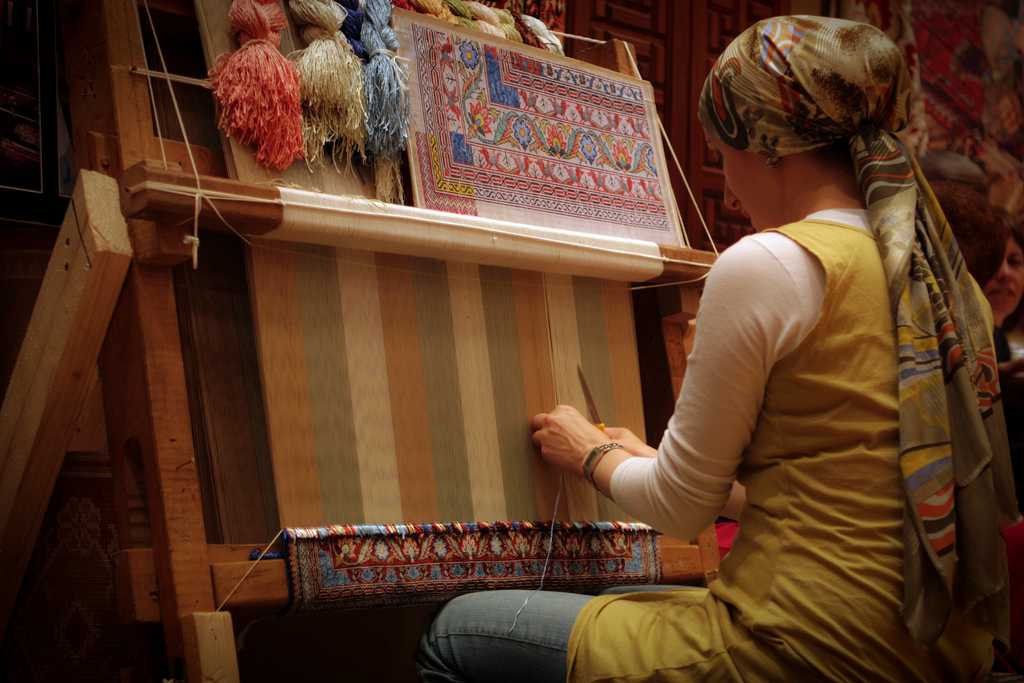
12. Carpet Weaving
Government Approved Handicraft Shops in India
- Dilli Haat in Delhi
- Kala Madhyam in Bangalore
- MESH in Hyderabad and Delhi
- Khazana in Taj Group of Hotels
- Ekamra Haat in Bhubaneshwar
- Rajasthali in Jaipur
On the whole; we can see that each region of India is endowed with unique handicraft that adds charm to the state and the country as a whole. The tradition of craft has evolved through generations, and there is a quest for innovation and invention that continues to give each craft a contemporary look but at the same time preserving the Indian heritage and culture.
Comments